- SNS
-


What If AI Could Flag CPR Mistakes as They Happen?
- 2026.10.23
- 129
What If AI Could Flag CPR Mistakes as They Happen?
Could immediate guidance help people learn CPR?
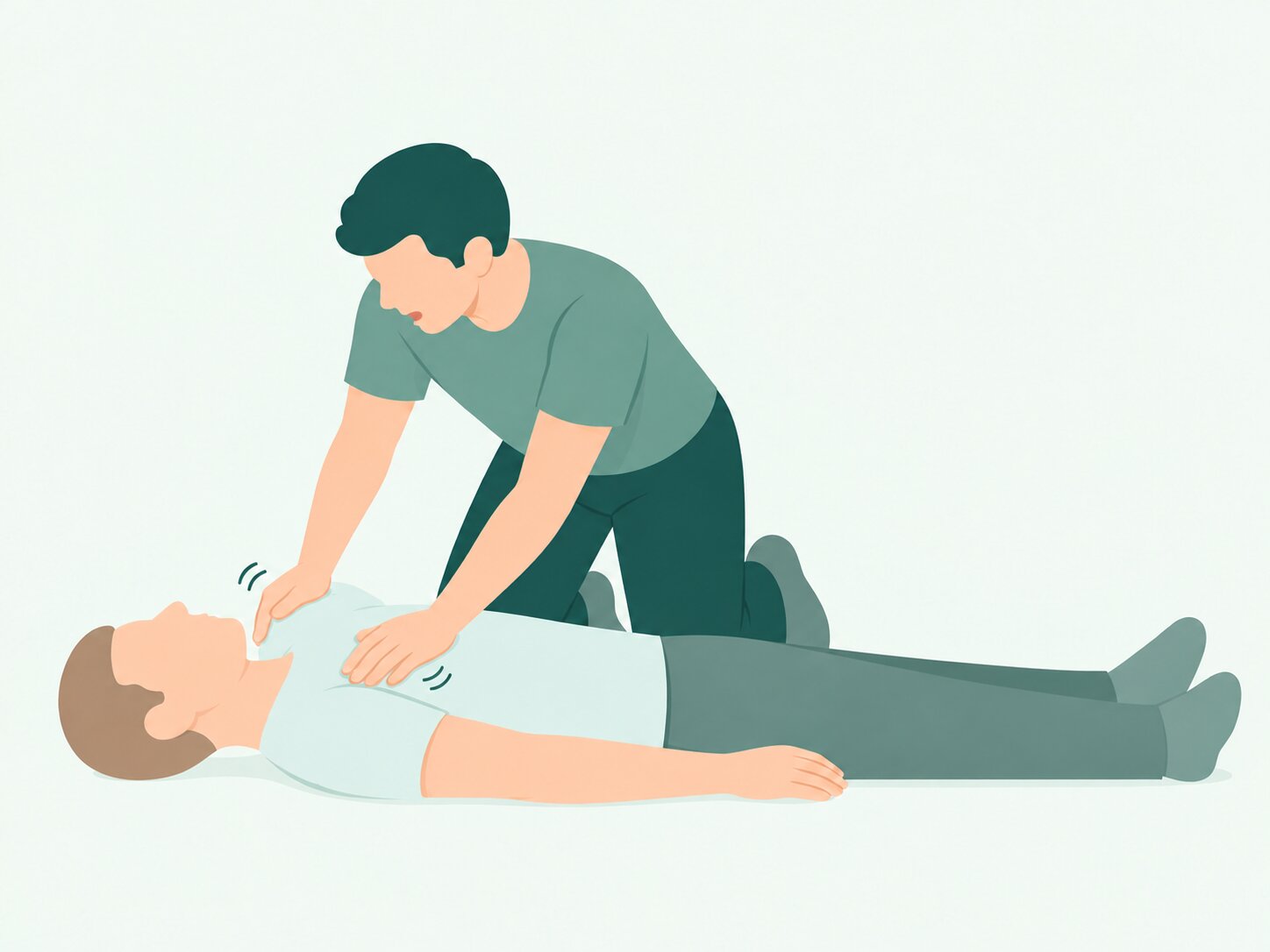
Could a computer recognise when a learner’s posture or sequence of CPR actions departs from the correct procedure and provide immediate guidance?
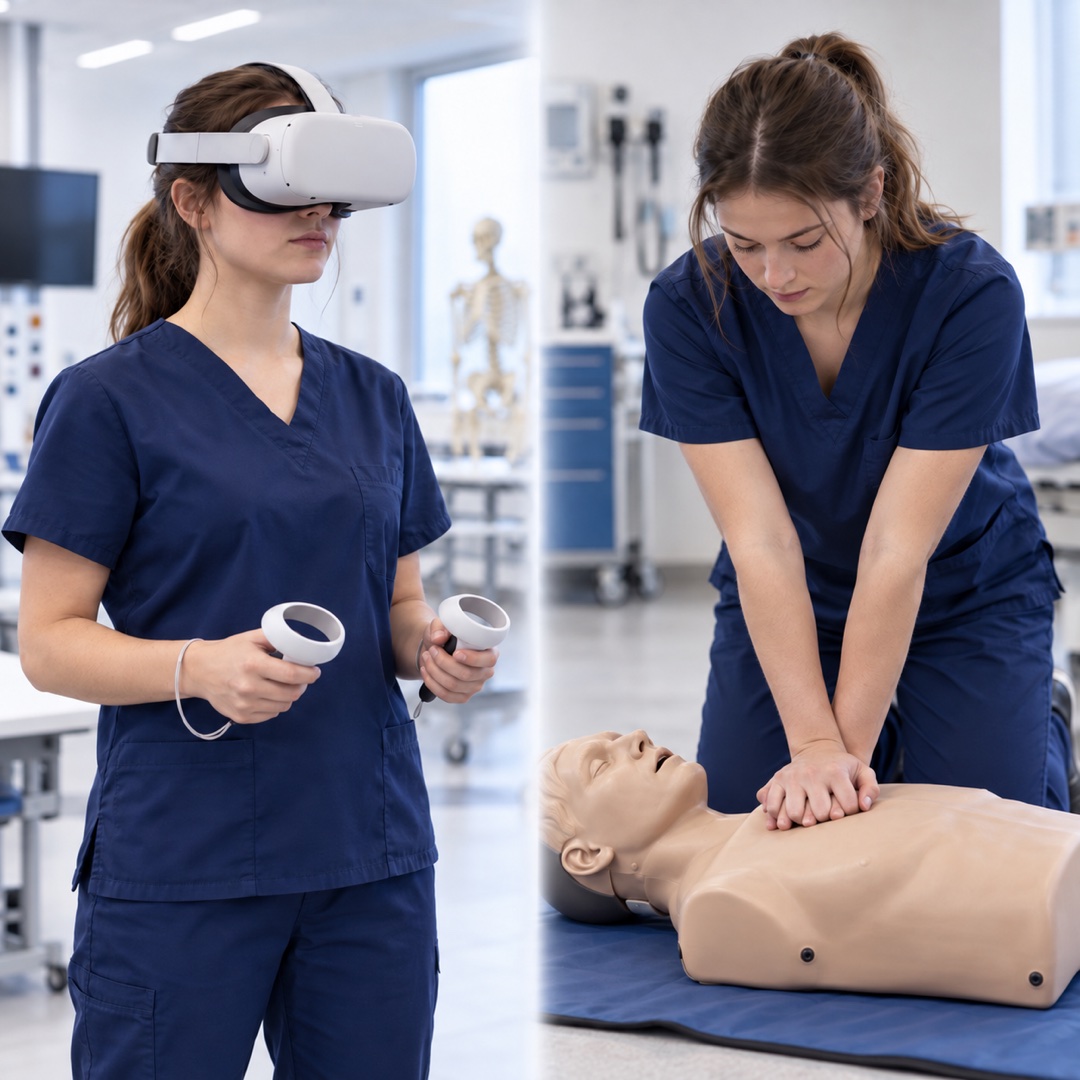
Researchers in Taiwan developed a system that uses AI to analyse camera footage of CPR practice. The AI recognises the learner’s posture and sequence of actions, then provides feedback through on-screen prompts and sound. The study investigated whether this technology could support learning as well as recognise movements.
from camera footage to on-screen and audio feedback
The system divides incoming video into short clips and analyses body positions and movements to identify the CPR action being performed.
When the learner’s posture or sequence of actions deviates from the standard procedure, the system provides visual and audio prompts. This allows learners to check their posture and follow the procedure while practising.
An instructor assessed performance in 60 participants
The study involved 60 participants divided into two groups of 30. The full experiment took approximately eight hours, covering a pre-test, instructor-led teaching, group practice, and a post-test. Researchers compared participants who practised with the AI feedback system with those who received conventional training.
A CPR instructor assessed performance without knowing which training group each participant belonged to. The instructor examined whether participants performed the actions in the correct order and how long they hesitated during the procedure.
Higher performance scores and lower mental effort
After training, participants in the AI feedback group achieved an average performance score of 89, compared with 72 in the conventional training group. The difference was statistically significant. These scores reflected the correctness of the action sequence and hesitation during performance.
Participants in the AI feedback group also reported lower mental effort while learning and greater satisfaction with their training experience.
What the findings suggest
The findings suggest that immediate feedback based on posture and action recognition may help learners acquire CPR skills.
The study tested camera-based analysis and visual and audio prompts together, so it could not identify which component accounted for the difference. It also did not establish that AI feedback was faster or more effective than an instructor’s feedback. These were early findings from performance assessed immediately after training in a controlled setting.
Source
Chiu MC, Huang ZH, Kao MC. Development of a real-time multimedia feedback system for CPR training based on human pose estimation and skeleton-based action recognition. Multimedia Tools and Applications. 2026;85:733.
DOI: 10.1007/s11042-026-21896-1 · Study abstract and citation
This article was written with AI assistance. AI-generated concept image featuring BRAYDEN; the product depicted is separate from the equipment used in the study.